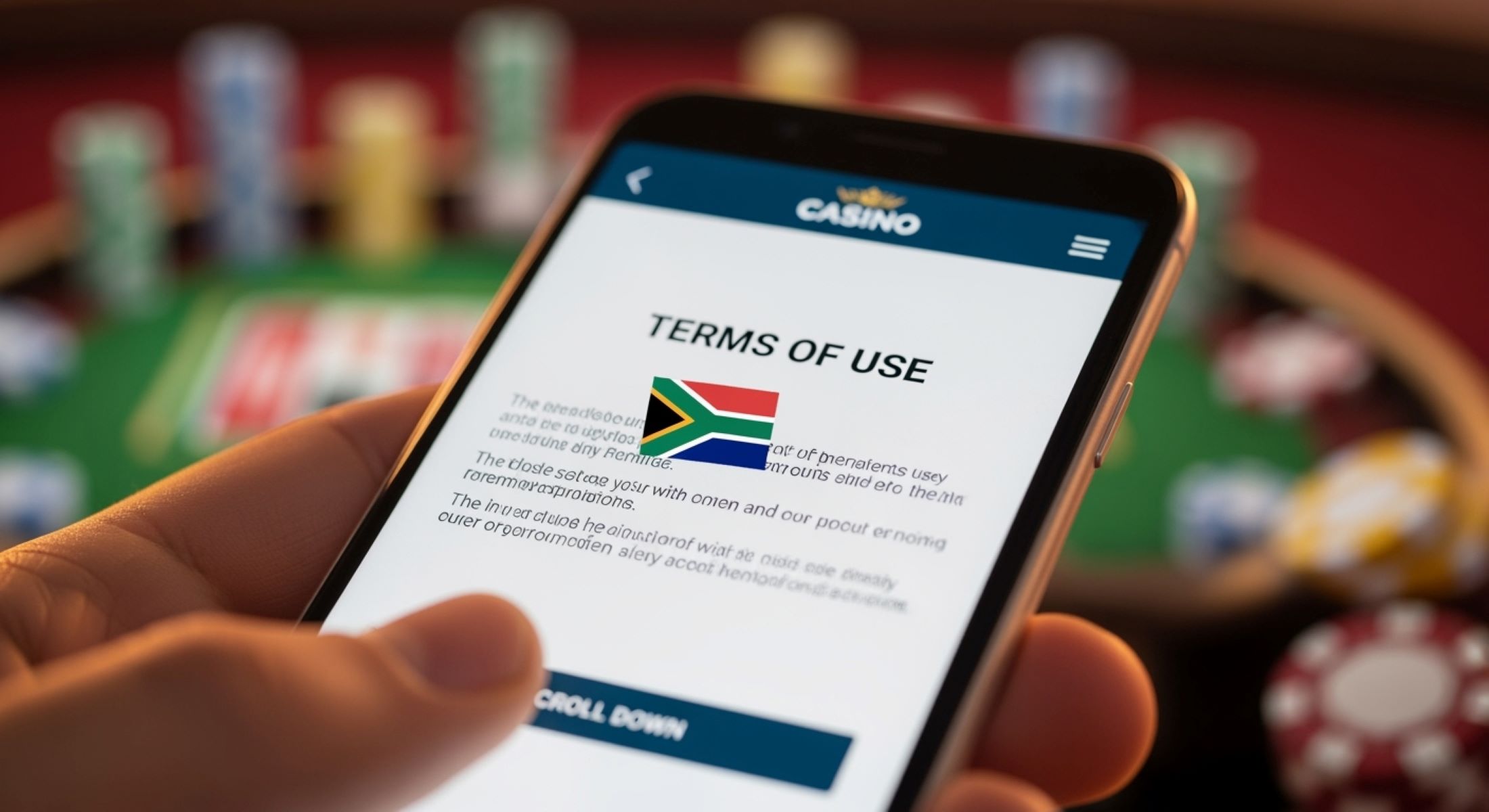
When you sign up to play at an online casino in South Africa, there’s one document you should never skip — the Terms of Use. Sounds boring? Maybe. But trust me, it’s the secret sauce that can protect your money, your privacy, and your fun. This article will guide you step-by-step on how to read and understand a casino’s Terms of Use — so you know exactly what you’re agreeing to before you start spinning those reels or placing your bets.
Basics of Terms of Use
The Terms of Use, sometimes called Terms and Conditions, are essentially a legal agreement between you, the player, and the online casino. When you sign up or start playing, you’re agreeing to a set of rules that govern how the casino operates and how you should behave on the platform. These terms are very important because they lay out everything from how your account should be managed, what happens if there’s a dispute, to how payments are handled and what the casino can and cannot do with your personal information. Think of it as the rulebook that keeps both you and the casino protected.
The Legal Importance of Terms of Use in South Africa
In South Africa, gambling is tightly regulated by laws such as the National Gambling Act and the KwaZulu-Natal Gambling Act. These laws set the foundation for legal gambling in the country, making sure casinos operate fairly and protect players. However, the Terms of Use of a casino show how these laws specifically apply to you as a player. When you accept the Terms of Use, you are entering a binding legal contract that outlines your responsibilities and the casino’s duties according to South African law.
This means that if you don’t follow these rules, or if you ignore important sections, you could face consequences—like having your winnings withheld or your account suspended. Because the Terms of Use are legally enforceable, understanding them helps you avoid costly mistakes. They also show you what recourse you have if the casino doesn’t treat you fairly, such as how to raise complaints or pursue dispute resolution. So in South Africa, these terms aren’t just a formality—they protect both your rights and the casino’s integrity.
Common Language and Legal Jargon Explained
Terms of Use documents can sometimes feel like reading a foreign language, full of complex legal terms. To make things easier, here are some common words you’ll likely encounter and what they mean in plain English:
- Liability: This refers to who is responsible if something goes wrong. For example, if the casino’s software glitches and causes an error, the liability clause will explain whether the casino is responsible or if they limit their responsibility.
- Indemnity: This means you agree to protect the casino from certain legal claims or losses. If your actions cause damage or legal issues, you might be asked to cover the costs.
- Jurisdiction: This defines which country’s courts or laws will handle any legal disputes between you and the casino. For South African casinos, this is usually South Africa, meaning disputes will be settled according to local laws.
Understanding these terms helps you know your legal standing and how much protection or risk you have when using the casino. It also clarifies what the casino expects from you and what you can expect from them in return.
Key Sections to Focus on When Reading Terms of Use
When reading through the Terms of Use, it’s smart to focus on certain key sections that directly affect your experience and security as a player. Here are the most important parts to watch out for:
- Account Creation and Verification: This section tells you how to create your account and what identity verification is required. In South Africa, verification is strict due to legal requirements, so you’ll likely need to submit documents like a valid ID or proof of address. The terms explain what happens if you provide false information or fail verification—usually, your account may be suspended or closed.
- Age Restrictions and Eligibility: You must be 18 or older to legally gamble in South Africa. The Terms will confirm this and may also restrict players from certain countries where gambling might be illegal or not regulated. This section ensures that only eligible players can access the casino.
- Deposits and Withdrawals: This covers how you can add money to your casino account and how you withdraw your winnings. Important points here include any minimum or maximum limits, fees that might be charged, the accepted payment methods, and how long it takes for withdrawals to be processed. Watch out for any confusing or restrictive clauses that could delay your access to your funds.
How South African Gambling Laws Affect Terms of Use
Overview of South African Gambling Legislation
South Africa has a well-regulated gambling market designed to protect players and ensure fairness in all gambling activities, both online and offline. The foundation of this regulatory framework is the National Gambling Act, which establishes the legal parameters for gambling operations throughout the country. This law controls licensing, operational standards, and player protections to make sure casinos comply with ethical and legal norms. The act also aims to prevent illegal gambling and promote responsible gaming. Casinos operating in South Africa must follow strict guidelines, ensuring that their business practices align with national interests and player safety.
The National Gambling Act works alongside provincial laws, like the KwaZulu-Natal Gambling Act, which provide further rules specific to certain regions. For players, these laws mean that online casinos licensed in South Africa are held to high standards regarding transparency, security, and fairness. The Terms of Use of a casino will reflect these legal requirements and outline how the casino complies with them. Players can therefore expect clear rules about their rights and the casino’s obligations. Understanding this legal context helps players recognize why certain clauses exist in the Terms of Use and why they are important for a safe gambling experience.
Compliance Requirements for Casinos Operating in South Africa
Casinos that want to legally operate in South Africa must include specific clauses in their Terms of Use to comply with local laws. These clauses cover essential topics such as age verification to ensure players are legally allowed to gamble, typically requiring proof that the player is over 18 years old. Casinos also have to implement anti-money laundering (AML) policies, meaning they monitor and report suspicious transactions to prevent illegal financial activity through their platforms. These policies protect not only the casino but also the players and the entire financial system.
Additionally, the Terms of Use must include dispute resolution mechanisms. This means the casino must provide clear information on how conflicts or complaints will be handled, often specifying that disputes will be settled in South African courts or via arbitration. This legal transparency ensures that players know where and how they can seek help if issues arise. Overall, compliance clauses create a safer and more trustworthy environment for players, showing that the casino respects South African law and player protection principles.
| Law/Requirement | Purpose | How It Affects Terms of Use | Player Impact |
| National Gambling Act | Regulates all gambling activities | Sets minimum standards for licensing and operations | Ensures casino legitimacy and fairness |
| Age Verification | Prevents underage gambling | Requires players to prove age before playing | Protects minors and complies with law |
| Anti-Money Laundering (AML) | Prevents illegal financial transactions | Casinos monitor transactions and report suspicious activities | Protects player funds and maintains integrity |
| Dispute Resolution | Ensures fair conflict handling | Specifies legal jurisdiction and complaint procedures | Gives players a clear way to resolve issues |
Red Flags to Watch for in Terms of Use
Unclear Withdrawal Policies
One of the most important parts of any casino’s Terms of Use is the section about withdrawals. If this section is vague or confusing, it’s a major red flag. Players need clear information about how and when they can withdraw their winnings. For example, some casinos might impose hidden limits on how much you can withdraw at one time, or they might have unclear timeframes that cause unnecessary delays. If you read the Terms and can’t find straightforward details on withdrawal processes, fees, or limits, it might mean the casino wants to make it difficult for players to access their money.
Clear withdrawal policies also show respect for the player’s rights and money. You want a casino that’s transparent and quick with payouts, rather than one that hides tricky conditions in the fine print. Always watch for specifics such as minimum withdrawal amounts, maximum limits, expected processing times, and any potential fees. If these are missing or confusing, it’s better to look for a more trustworthy site.
Excessive Penalties or Fines
Some casinos include terms that impose large penalties or fines for relatively minor rule violations, such as accidentally breaching bonus conditions or providing slightly incorrect information. These excessive penalties can unfairly punish players and create an intimidating environment where you are constantly worried about losing access to your funds or account. When reading the Terms of Use, watch for any mention of fines that seem disproportionate to the offense.
Excessive penalties can be a sign that the casino prioritizes protecting itself over fair treatment of players. In a regulated environment like South Africa, penalties should be reasonable and clearly justified. If you spot clauses where you could be fined or penalized heavily without clear explanation, it’s a warning sign to be cautious. Fair casinos balance enforcement with fairness, making sure players are treated with respect.
One-sided Dispute Resolution Clauses
Disputes can happen, but how they are resolved makes all the difference. Some casinos include clauses that give themselves all the power to decide disputes without offering players a fair process. For example, the Terms might state that the casino’s decision is final with no possibility for the player to appeal or seek independent arbitration. These one-sided clauses heavily favor the casino and leave players vulnerable.
A fair Terms of Use will outline a transparent and balanced dispute resolution procedure. This might include arbitration options, independent bodies to handle complaints, or the ability to take issues to South African courts. If the Terms are silent about dispute resolution or clearly restrict your rights, that’s a big red flag. Always look for terms that protect your ability to seek fair treatment in case something goes wrong.